The Australian Bureau of Statistics released its report on the 2021 Census in early July.
For the Australian Hazara community, who are originally from Afghanistan, the report is of great importance.
That’s because in this Census the number of people identified as Hazara is four times greater than the Census in 2016.
In the 2016 Census the number of people identified as Hazara was 11,146 and in the Census in 2021, 41,766 people identified as Hazara.
It was a significant jump but it is estimated that the actual population of Hazaras is at least 65,000 – if not more.
Just a couple of weeks prior to the Census, a few groups of Hazara youth in different states started a campaign to motivate the Hazara community to write in the ancestry section of the Census questionnaire ‘Hazara’ and the language ‘Hazaragi’.
The Hazaras in Australia make up the fourth largest population of the Hazaras in the world and the largest in the western world but the previous and current census don’t reflect the actual population.
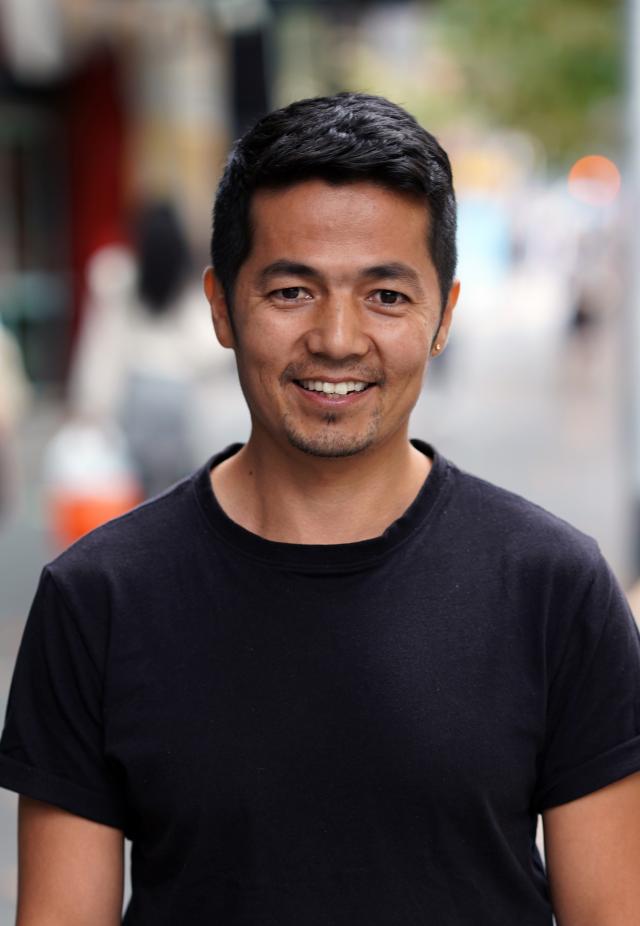
“In the short-term, this campaign might create some issues but in the long run it will solve a lot of the problems,” says Mehdi Sina, one of the organisers of the campaign.
“The issue we are trying to solve is not just the way Census data is reported, it is about our identity as Hazaras. The Afghan identity has been imposed on us for so long.”
The Hazaras first settled in Australia in the late 1990s during the first rule of the Taliban in Afghanistan when they were subjected to mass atrocities in Mazar-e-Sharif, Kabul and Bamyan.
The Hazaras are a long persecuted ethnic group.
In the 1880s, more than 65 per cent of our population were brutally massacred by King Abdul Rahman. Since then, they have been considered as second-class citizens.
Hazaras are considered to be the most vulnerable ethnic group since the fall of Kabul last August.
They have been targeted at educational institutions, mosques, on public transport and, most recently, the Taliban attacked the Balkhab district of the Sari Pul province which resulted in the displacement of thousands of Hazara families who took refuge in the mountains.
There are reports that many civilians including women and children were killed in the attack.
Our community believes that they are often overshadowed by the term ‘Afghan’ and on many occasions they are not correctly represented.
For example, according to this census the number of people who speak Hazaragi at home is 41,678, those who speak Pashto is 12,654 and those who speak Dari is 29,828.
Both Dari and Pashto have radio programs on the SBS radio service – but the Hazaragi doesn’t.
The generalisation of the communities from Afghanistan as ‘Afghan’ has been another issue which many people have been vocal about lately.
A vast number of the people from non-Pashtun backgrounds don’t identify with ‘Afghan’ as it is considered to be the second name of the Pashtun people and that this has been imposed on them.
“Most of the Australian officials, 95 per cent of the time, don’t understand the ethnic differences in Afghanistan,” Mr Sina said.
“Let me tell you a story. It was in 2019, after the big bushfires we sent a number of people to volunteer to fix fences and other stuff.
“On January 26, which was Australia Day, some of those government officials and MPs in that area wanted to thank us and said ‘we thank the Afghan community’ and all of a sudden half of the people split away and said ‘we are not Afghans and that is not inclusive’.”
Communities such as the Hazaras have traumatic experiences associated with the word ‘Afghan’ as they have been subjected to a long history of oppression by the same people.
“I did an interview with the SBS a few days ago and I asked the journalist to introduce me as a Hazara but when the story was published I was identified as Afghan,” Mr Sina said.
“It made me upset that they didn’t pay attention to the most important part, which was my identity, and I feel disrespected that despite educating them, my identity was not correctly quoted and it hurts me.”
The Census results clearly show that the Australian Hazaras have said ‘no’ to an imposed identity and have embraced the identity for which they have been shamed and bullied in the past.