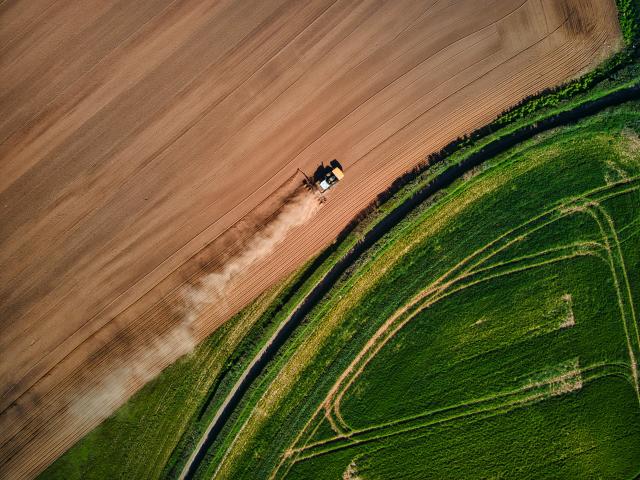
Importing second hand farm machinery such as tractors, seeders, sprayers, harvesters, baling or storage equipment from interstate can provide an alternative to buying brand new.
However, there are a few matters to consider before you buy.
Besides the costs of the machine and its transport, there are other costs involved in ensuring the machine meets Victorian biosecurity legislation (Plant Biosecurity Act 2010) and the Conditions of entry described in the Victorian Plant Biosecurity Manual, which can be found here: agriculture.vic.gov.au/biosecurity/moving-plants-and-plant-products/plant-quarantine-manual
Used agricultural equipment and spare parts could pose a high risk to Victoria’s unique environment and agricultural industries.
Given the nature of their work, there is a high possibility used machinery could harbor weeds, pests and diseases that we don’t want in Victoria.
Therefore, unless they meet specific conditions of entry outlined in the Plant Quarantine Manual (PQM), they are prohibited from entry.
For example, Annual Ryegrass Toxicity (ARGT) is not in Victoria. ARGT host material includes cereal crops, first cut lucerne, pasture hay, stock feed or plant waste and could be located anywhere in WA, SA or NSW.
Any machinery from these states must meet the specific conditions of entry to minimise any risk of introducing ARGT into Victoria.
Equally, Victoria is free from the fungal disease, Lupin Anthracnose (LA). Important lupin growing states like SA and WA don’t have area freedom from LA and therefore, restrictions apply to the importation of machinery into Victoria from there.
These (and other) biosecurity risks are carried in soil, animal or plant material found on or inside used farm machinery. Therefore, they must be thoroughly cleaned, free of plant material and visible soil, and inspected by a government officer.
A Plant Health Certificate must then be issued before movement into Victoria.
There are costs and time involved with such a thorough clean, often requiring the partial dismantling of the machine or equipment to access all the hidden away, hard to get at areas.
For example, debris is commonly found collecting in the driver’s cabin, on the chassis, in the grain bin, augers, belts, elevators, spreaders, choppers, tyres, rims, sieves, radiator and under any guards.
Always check early with an Agriculture Victoria Biosecurity officer before you sign up to import a used farm machine into Victoria.
The import prohibition doesn’t apply if the host material is grown on, sourced from or last used on a property that is located in a state or territory for which area freedom exists.
In the case of LA, this exemption currently applies for QLD, NSW, TAS and the NT, meaning the unrestricted importation of LA host material from these locations is allowed (provided no other quarantine restrictions apply).
Currently QLD, TAS and NT have state freedom for ARGT so no permit or PHC is required for machinery from these states.
Tips for buyers:
• It’s the importer’s responsibility to ensure all imported, used agricultural equipment is thoroughly clean prior to export and a PHC is obtained. The cost of dismantling, cleaning, and certifying a grain harvester sometimes totalling over $10,000
• Used agricultural equipment found to be unacceptably contaminated on arrival will be re-exported or subjected to an expensive cleaning process at the expense of the new owner
• Use an experienced machinery dealer who regularly imports from other states. Different dealers offer varying support and services in the price they quote
• Don’t get stuck with a dirty machine. It’s a massive biosecurity risk to your farm and the grains industry. If it doesn’t arrive clean, you will have to clean it before using it
• Practical and inexpensive farm biosecurity tactics are found at www.farmbiosecurity.com.au and www.agriculture.vic.gov.au/biosecurity
• The Grains Farm Biosecurity Manual is found here:
grainsbiosecurity.com.au/resources/biosecurity-manual-for-grain-producers/
• Please contact Agriculture Victoria on 136186 for any biosecurity related matters.agriculture.vic.gov.au