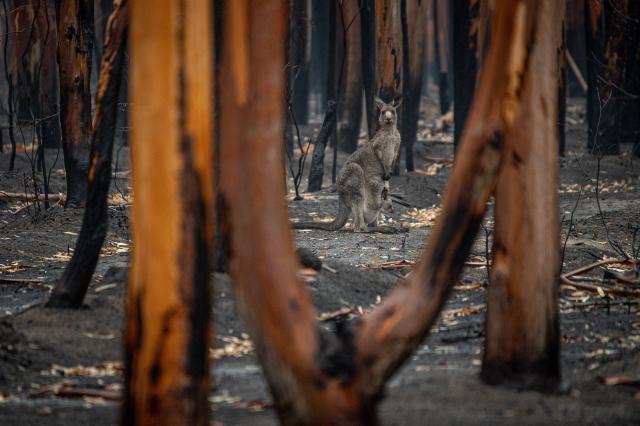
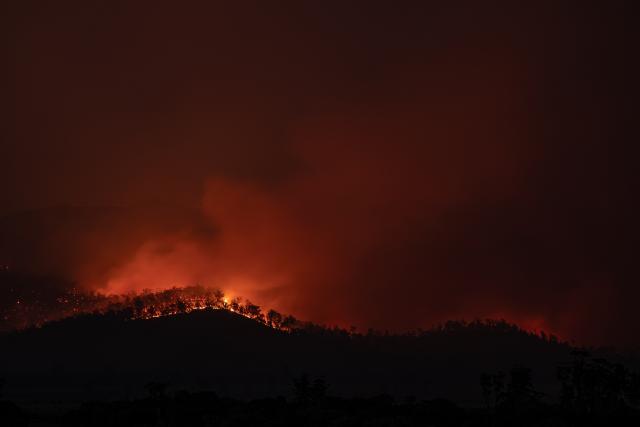
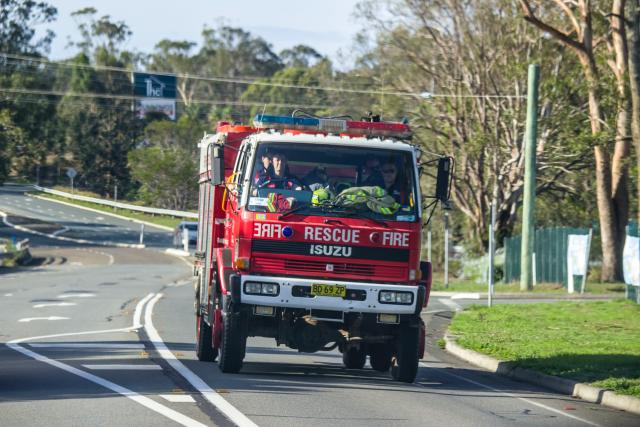
As the weather heats up, the Australian environment creeps closer to the perfect setting for bushfires.
From late spring through to summer, there is a serious threat of bushfires in Victoria and residents are encouraged to prepare their properties and establish a plan.
The Country Fire Authority (CFA) has a number of prevention strategies, including vegetation control.
This includes regularly clearing leaf debris from gutters, cutting back any dead or decaying foliage, trimming edges, tidying fallen branches and swapping flammable mulch for pebbles.
Disposing of branches and dead foliage can be done either using council provided green waste bins or burning off, although the latter must be approved by your local council.
If burning off, notify neighbours, check weather conditions and register with Emergency Services Telecommunications Authority (ESTA) – this can be done online.
Falling embers and debris create a risk to properties as embers can travel into the home through external vents and holes, igniting a fire inside.
The CFA recommends sealing gaps around door frames, windows and roofing, installing mesh metal fly screens instead of plastic and ensure access underneath decking is possible to reach with a hose in case of ignition.
The CFA also suggests utilising non-combustible material around the home, such as door sills, window frames, decking and roof insulation.
Establish a bushfire survival plan in advance as an approaching bushfire can be an incredibly stressful with often high temperatures and dangerous winds.
A plan should include a decided upon evacuation point, an emergency kit with essential items including important documents, water, hoses, a flash light with spare batteries and a radio.
It’s important to know exactly what to do in advance as fires can spread quickly and suddenly, not giving much time for difficult decision making to defend a home or evacuate.
Have a hard copy map of evacuation routes, including a backup, should roads become blocked by fire.
Don’t forget to cater to any pets either, have a plan for where they will go should you have to leave.
Lastly, the safest way to protect yourself from a bushfire is to evacuate early and be prepared.