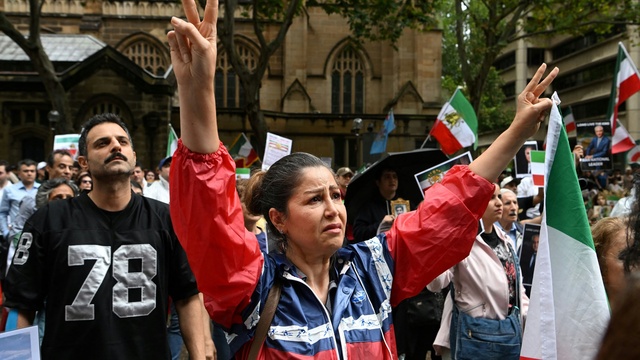
As Iran’s anti-government regime continues to escalate, much of the Iranian diaspora in Casey have had no or limited access to their family and friends for over two weeks.
According to Australia’s last census, the City of Casey is home to one of Melbourne’s largest iranian population, with approximately 1412 Iranians living in the region.
Iranian-born local, Dana, who does not want to use her real name, has been living in Melbourne since 2003 and says it’s been a “difficult time”.
She says she hasn’t had any contact with her brother, her friends or her husband’s family for more than two weeks since the protest began.
“They don’t have any internet connection,” she said.
“We cannot get in touch with them.
“And almost every day, several times a day I have my phone looking at the news to see what’s happening and it’s a really emotional time for all of us.
“Our hearts are with our families, parents, everyone. But what can we do?
“You know, we live overseas, most of us Persian people. We came out, we live here, but our mind is there.”
It’s been more than a week with no telecommunication coming out of Iran since the government cut off access to much of its internet.
The harsh crackdowns followed protests beginning in late December, sparked by the country’s economy, soaring cost of living and the collapse of the Iranian currency.
With a lack of access to verify information, estimations surrounding death tolls and arrests are inconsistent but death tolls by human rights organisations are expected to be in the thousands.
Another local source told Star News that after no contact during the last few weeks, they were eventually able to get in contact with their family living in Iran for a short period of time due to Starlink access.
But since then, they have not been able to get back in touch with them.
Iranians living in Melbourne are accustomed to being shut off from the world.
They’re also used to protests; in 2022-23, civil unrest was sparked and protests across the nation made headlines following the death of a woman who died in police custody after she was arrested for violating Iran’s hijab law.
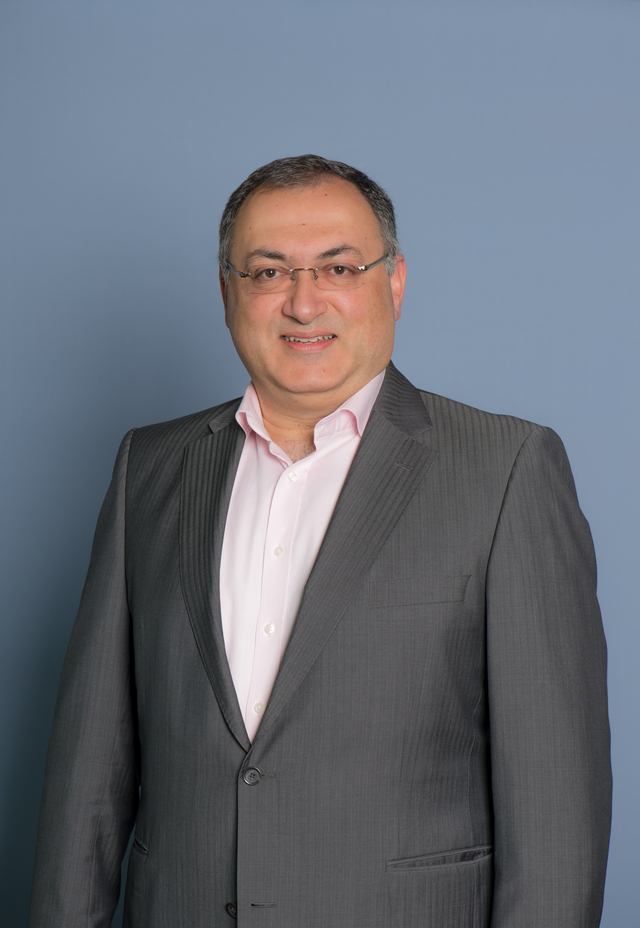
Shahram Akbarzadeh, Professor of Middle East and Central Asian politics at Deakin University, said that the regime in Iran has faced critical movements for decades.
“Every time there’s a movement in the population, it often starts with a practical grievance, like 2022-23’s women freedom movement,” Prof Akbarzadeh said.
“And now the current uprising was triggered by the economic crisis, but these popular uprisings very quickly take up a political tone.
“They know that it’s the regime as a whole that is imposing these really restrictive measures and repressing society so that they are not going to achieve freedom or economic freedom.
“These movements challenge the authority of the Islamic regime and in fact, the chants we’re hearing in the streets attest to that.
“The chants say, ‘end to dictatorship’… so yes, the regime is facing a very critical challenge. But that doesn’t mean the regime is going to fall.”
And while Prof Akbarzadeh is apprehensive about significant changes to the regime, Dana hopes that this time is different.
“When looking at the news, most of them are young and between 20 and 30,” she said.
“This time when you look at the news, people around the world, Persian people, are going out to protest and we feel maybe this time hopefully positive things will come to us.”
Like many Iranians across Casey, watching on from home, with the news as their only looking glass into their country that they once called home, Dana remains hopeful for the future of Iran.
“Young people, you know, always can change the community like here, if you look at young people, they understand better than us.
“They question a lot, young people don’t care. They want freedom. They want a peaceful life.
“I think they deserve it and hopefully, who knows?”