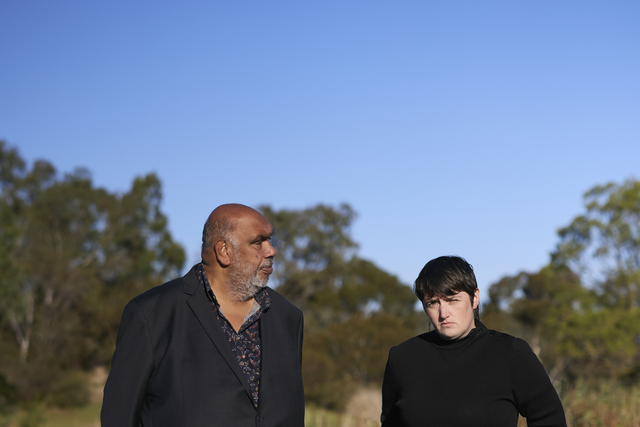
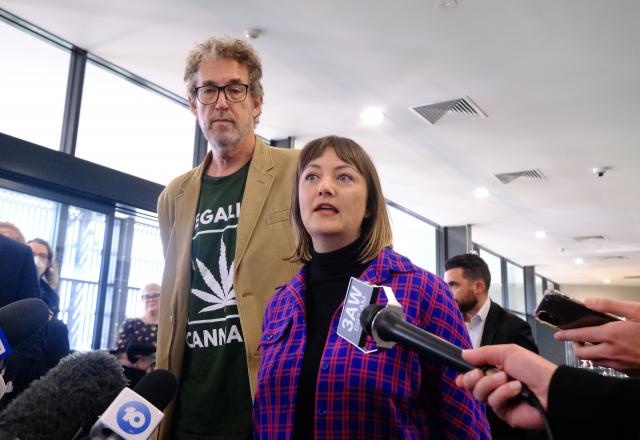
A South East MP has accused Labor of not listening to its members after a motion to legalise cannabis possession was voted down in Victoria’s Upper House last month.
The motion put forth by Legalise Cannabis’ David Ettershank, MP for Western Metro, aimed to decriminalise the possession of cannabis — but it was quickly defeated by the other MPs.
South Eastern Metropolitan MP, Rachel Payne championed her colleagues’ statements.
Payne told Star News that the motion highlighted Labor’s policies and the disconnect between the government’s response and the decriminalisation bill.
This was after Labor members voted towards legalising cannabis as well as it being taxed, owned and regulated by the state government at the 2025 Labor Party State conference.
ALP members had also voted for decriminalisation of all forms of cannabis possession and use.
During the speech, Ettershank urged the government to legalise and regulate the substance as it would reduce harm and generate revenue for a number of social programs.
This included utilising the funds from the legal market for mental health, disability, alcohol and other drugs services.
According to the MP, the new market would also reduce criminalisation of marginalised communities such as First Nations people and migrants.
Victorian Aboriginal Legal Service (VALS) has stated First Nations people in Australia are more likely to be affected by cannabis related arrests than non-indigenous people.
Eastern Victoria Liberal MP Renee Heath has since slammed the motion, rejecting the claims that cannabis legislation would dismantle the black market or boost state revenue.
“We need to invest in mental health, education, treatment and rehabilitation, not commercialise a drug linked to cancer, psychosis and crime,” she said in a media statement.
“Real reform protects Victorians, especially the vulnerable, from harm.”
In response, Payne told Star News that she was surprised by Heath’s comments.
Payne said there’s been similar models put in place in Canada and closer to home, like the ACT that have been successful in taking pressure off emergency services like police.
Where current legislation of recreational cannabis has been decriminalised and which in turn, has limited cannabis-related arrests, reduced stigma and has reduced people buying from the black market.
“There is already a cannabis market, an illicit market run by organised crime,” said Payne.
“By legalising cannabis, you reduce risk of contact with criminals and have control over what is in products and promote safety.
“Maintaining the status quo does nothing to reduce harm and continues to line the pockets of organised crime.”